What does Hexagram 15 mean?
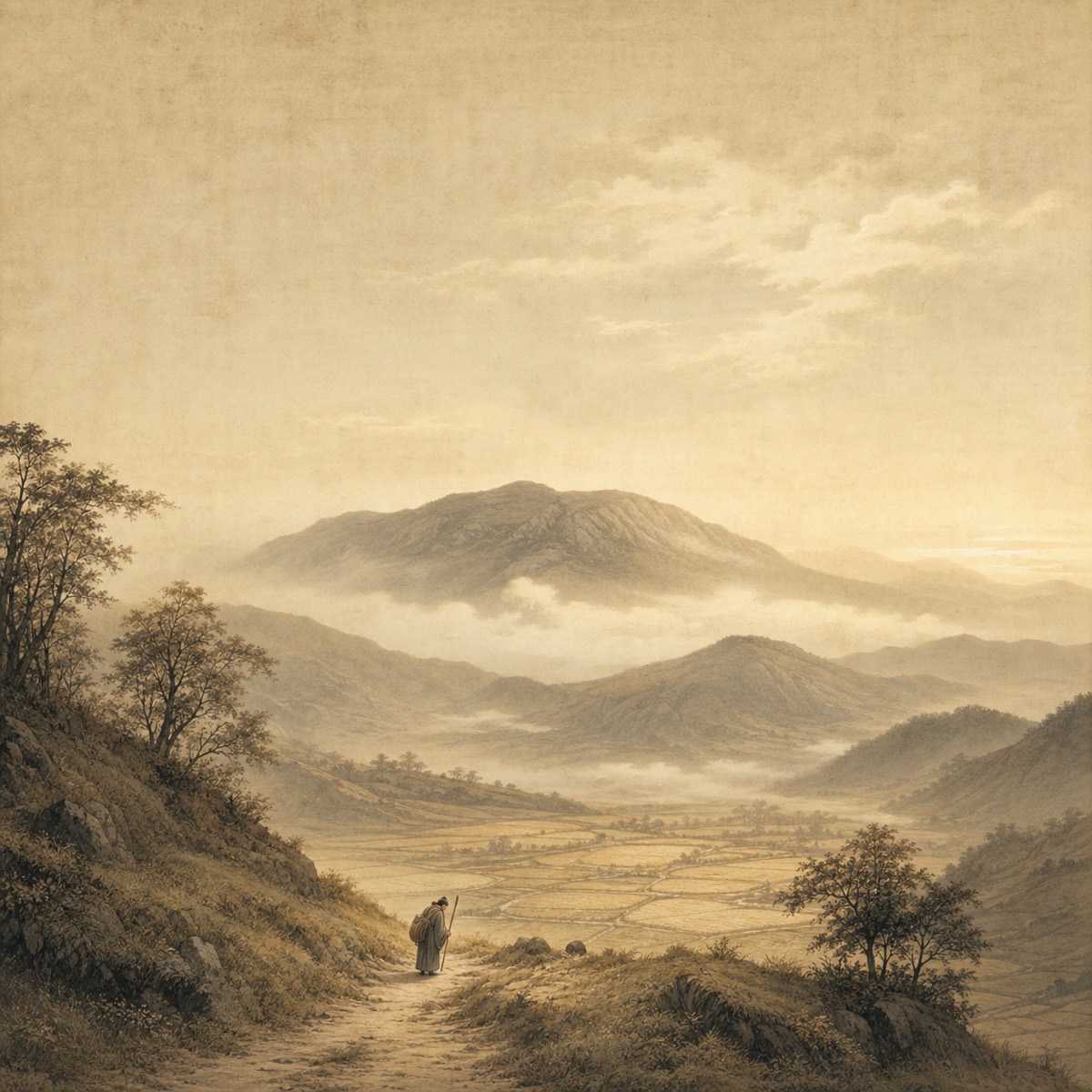
Hexagram 15 is called Qiān (谦) in Chinese, usually translated as Modesty, Humility, or The Modest. Its structure is unusually vivid: in the I Ching, the mountain (艮) is normally the highest and most immovable feature in the landscape — yet here it sits below the earth (坤). Something with real height has placed itself in a low position.
The Image expands this beyond personal humility. The noble person "reduces what is excessive and increases what is lacking," weighing things so they can be distributed fairly. Modesty is therefore not merely thinking less of yourself. It is the ability to notice imbalance and correct it without making yourself the center of the correction.
Modesty often appears when:
- you hold real ability, standing, or resources but do not need to use their full weight,
- pride, comparison, or the urge to prove yourself has begun to distort your judgment,
- or a relationship, project, or decision needs excess reduced and neglected needs restored.
The classical judgment is 亨,君子有终 — "Success; the superior person carries things through to the end." The promise is not a dramatic victory. It is that measured conduct makes completion possible. What is not swollen by ego is easier to sustain.
The core meaning of Modesty
At its core, Modesty is not smallness but accurate measure. You neither enlarge yourself in order to dominate nor diminish yourself in order to appear virtuous. You know what you carry, use only the weight the situation requires, and leave room for what has been neglected. This is why the Image speaks of reducing what is excessive and increasing what is lacking: modesty is not only a private attitude, but a way of restoring proportion.
The celebrated third line, láo qiān (劳谦), describes humility maintained through real labor and accomplishment. Its modesty is credible because it rests on substance. This is not false self-deprecation or humility performed for praise, but achievement that has not become swollen by its own importance.
Modesty often appears when:
- you need to describe your contribution accurately without inflating or hiding it,
- comparison has pulled your attention away from the work itself,
- or your influence, resources, effort, or attention need to be redistributed more fairly.
The aim is not always to take less. It is to take, give, speak, and act in the right proportion.